
The evolution of gambling tracing its roots through history
Table of Contents
The Origins of Gambling
The history of gambling can be traced back thousands of years, with evidence found in ancient civilizations. Archaeological findings suggest that dice made from animal bones were used as far back as 3000 BC in Mesopotamia. This early form of gambling was often tied to religious practices, with people believing that luck and fate were influenced by the gods. Today, platforms like Gaming Club Casino provide a way to engage with these historical traditions through modern gaming experiences.
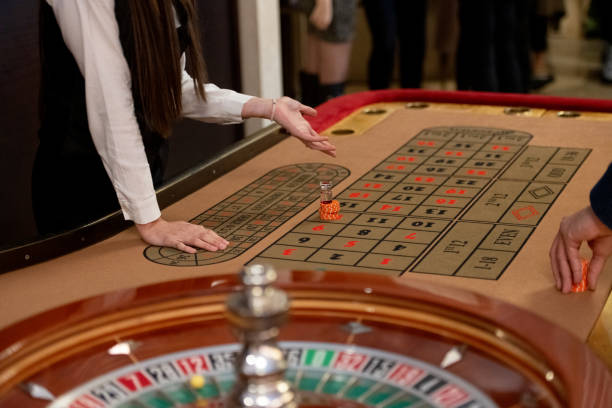
As civilizations advanced, so did gambling practices. The Chinese developed betting games around 200 BC, including a version of keno. Meanwhile, in ancient Rome, gambling was popular among soldiers and citizens alike, with various forms of betting on gladiatorial contests and chariot races, highlighting the intertwining of gambling with social events.
The Rise of Organized Gambling
The Middle Ages saw the rise of organized gambling, with the establishment of gaming houses and the emergence of lotteries. The first recorded lottery occurred in the Low Countries in the 15th century, aimed at raising funds for public projects. This marked a significant transition from informal betting to structured gambling. As players engaged more frequently, understanding the importance of responsible gambling tips became essential to maintain a healthy balance.
During this period, card games began to gain popularity in Europe. The introduction of playing cards from Asia contributed to the development of various gambling games. By the Renaissance, gambling had become a widespread pastime, with aristocrats hosting lavish games, further solidifying its place in society.
The Legalization and Regulation of Gambling
The 19th century marked a turning point in gambling with the legalization and regulation of various gambling forms across Europe and the United States. The establishment of betting laws aimed to control illegal gambling activities and ensure fair play. This era also saw the birth of horse racing tracks, which became a popular form of legal betting.
The introduction of casinos in the 20th century revolutionized the gambling landscape. Las Vegas emerged as the gambling capital of the world, attracting millions with its luxurious resorts and expansive gaming options. As gambling became more mainstream, governments recognized its potential for revenue, leading to more states and countries legalizing the activity.
The Digital Age of Gambling
The advent of the internet brought about a new era in gambling, leading to the rise of online casinos and sports betting platforms. In the late 1990s, the first online gambling sites launched, offering users the convenience of betting from home. This innovation attracted a new generation of players and transformed traditional gambling practices.
Mobile technology further enhanced the accessibility of gambling, with apps allowing players to gamble on the go. Today, the online gambling market is a multi-billion-dollar industry, characterized by a wide array of games and betting options, from poker to virtual sports, appealing to diverse audiences worldwide.

Gaming Club Casino Canada: A Modern Gambling Experience
Gaming Club Casino Canada exemplifies the evolution of gambling in the digital age, offering an exceptional online gaming experience. With a generous welcome bonus and a vast selection of high-quality games, it caters to both new and seasoned players. The platform emphasizes a secure environment with fast payouts, ensuring a smooth gaming adventure.
Players can explore the latest promotions and popular games, enhancing their gambling experience. As the gambling landscape continues to evolve, Gaming Club Casino Canada stands out by combining traditional gaming elements with modern technology, creating an engaging and enjoyable atmosphere for all players.
Was this post helpful?
Let us know if you liked the post. That’s the only way we can improve.
